How to Convert Reel to Reel Tape to Digital: Tips to Preserve Your Recordings
There is something special about hearing a familiar voice from decades ago or listening to a live performance that has been carefully stored away for years. For many families, organisations and collectors, reel-to-reel recordings hold memories and historical moments that cannot be replaced. The challenge, however, is that magnetic tape does not last forever.
That is why more people are choosing to convert reel to reel tape to digital before these recordings are permanently lost. Whether the tapes contain family interviews, community archives, business records or musical performances, digitisation helps preserve the original content while making it easier to access and share.
At DAMsmart, audio preservation is about more than simply transferring files. It is about protecting valuable stories and ensuring they remain available for future generations.
What Is a Reel-to-Reel Tape?
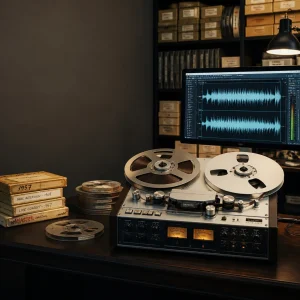
A reel-to-reel tape, sometimes called an open-reel tape, is an analogue audio recording format that was widely used throughout the twentieth century. The format consists of magnetic tape wound between two reels and was popular for professional music recording, radio broadcasting, oral histories and personal collections.
Compared with other formats of its time, reel-to-reel offered excellent sound quality and longer recording capabilities. Many organisations and individuals still hold important recordings on these tapes, but finding working playback equipment has become increasingly difficult.
As machines disappear and tapes continue to age, the need to digitize reel to reel audio tapes becomes more urgent.
Why It’s Time to Convert Your Reel to Reel Tapes to Digital
Magnetic media naturally deteriorates over time. Heat, humidity and poor storage conditions can all affect the quality of a recording, even when a tape appears to be in good condition.
Choosing to convert reel to reel tape to digital allows you to preserve audio content before irreversible damage occurs. Digital files also provide greater flexibility, allowing recordings to be accessed without relying on ageing equipment.
For organisations managing archives, digitisation supports long-term preservation and easier public access. For families, it means treasured memories can be enjoyed by future generations without worrying about fragile physical media.
At DAMsmart, many clients choose digitisation because they understand that preservation becomes more challenging—and often more expensive—the longer it is delayed.
Signs It’s Time to Digitise Your Reel-to-Reel Tapes
Not every tape shows obvious signs of deterioration, but there are several indicators that suggest immediate action is needed.
These include:
- A musty smell or visible mould growth
- Sticky or brittle tape surfaces
- Difficulty finding functioning playback equipment
- Fading or inconsistent audio quality
- Loose or damaged reels
- Important recordings that exist only on a single copy
Even if a tape still plays correctly, digitisation is often the safest long-term solution. Waiting until damage becomes severe can reduce the chances of successful preservation.
Why Transfer Reel to Reel Tapes to Digital?
There are practical reasons why organisations and individuals continue to transfer reel to reel tapes to digital.
Digital files provide:
- Better long-term preservation
- Easier access and sharing
- Multiple backup opportunities
- Compatibility with modern devices
- Improved organisation and cataloguing
- Protection against physical deterioration
For museums, community groups and businesses, digitisation also supports research, education and public engagement initiatives.
DAMsmart works with a wide range of clients to ensure their audio collections remain accessible while meeting appropriate preservation standards.
The Benefits of Digitizing Reel to Reel Audio Tapes
The decision to digitize reel to reel audio tapes offers benefits that extend well beyond simple convenience.
Long-Term Preservation
Digital formats help safeguard recordings against the natural deterioration that affects magnetic media over time.
Improved Accessibility
Once converted, recordings can be listened to on computers, mobile devices and modern audio systems without specialised equipment.
Easier Sharing
Families, researchers and organisations can share digital files with multiple people without risking damage to the original tapes.
Better Collection Management
Digital archives are easier to organise, catalogue and search, making valuable information more accessible when it is needed.
Future Flexibility
Digital preservation standards continue to evolve, but digital files can be migrated to newer systems far more easily than analogue recordings can be restored.
How to Digitize Reel to Reel Audio Tapes
Many people ask about how to digitize reel to reel audio tapes themselves. The process involves more than simply connecting an old machine to a computer.
The typical workflow includes:
- Inspecting the physical condition of the tape
- Cleaning or preparing the reels if required
- Using properly maintained playback equipment
- Capturing audio at appropriate preservation standards
- Processing and checking the resulting files
- Creating access copies in preferred digital formats
Professional digitisation services also incorporate quality assurance processes to ensure the recordings are captured accurately and completely.
At DAMsmart, preservation standards such as Broadcast WAV, WAV and FLAC are commonly used to maintain the integrity of important audio collections.
The Challenges of Transferring Reel to Reel Tapes to Digital
Although the concept sounds straightforward, transferring reel to reel tapes to digital can present several challenges.
One of the biggest issues is equipment availability. Many reel-to-reel machines are no longer manufactured, and older devices often require specialist maintenance to function correctly.
Tape degradation is another concern. Some recordings suffer from sticky shed syndrome, mould or physical damage that requires careful handling before playback.
There is also the risk of damaging the original tape during an unsuccessful transfer attempt. Improper tension, worn components or poor storage conditions can all contribute to further deterioration.
These challenges are why many collectors and institutions prefer experienced digitisation providers who understand the technical requirements of analogue preservation.
DIY vs Professional Reel-to-Reel Tape Digitisation
While DIY digitisation may seem appealing, it is important to consider both the benefits and limitations.
DIY Digitisation
Home digitisation may work for certain situations if you already have:
- A functioning reel-to-reel player
- Suitable audio capture equipment
- Technical knowledge
- Adequate time for testing and quality checks
However, there are risks involved, particularly when dealing with older or valuable recordings.
Professional Digitisation Services
Professional services offer several advantages, including:
- Access to specialised playback equipment
- Careful handling of fragile tapes
- Preservation-quality digital formats
- Quality control and file verification
- Support for damaged or complex recordings
DAMsmart helps organisations and individuals convert reel to reel tape to digital using established preservation workflows, reducing the risks associated with ageing media and ensuring the best possible outcome for each collection.
How Long Does It Take?
The time required for digitisation depends on several factors, including the number of tapes, their condition and the length of each recording.
In many cases, the digitisation process itself occurs in real time, meaning a two-hour recording generally requires at least two hours to transfer. Additional time may be needed for preparation, quality checks and file processing.
Larger collections or damaged tapes may require more extensive work, particularly if restoration or specialised handling is necessary.
Working with experienced professionals can help establish realistic timeframes while ensuring that preservation standards are maintained throughout the project.
What Do You Get Back?
After you convert reel to reel tape to digital, the final files can be supplied in a range of formats depending on your requirements.
Common options include:
- Broadcast WAV (BWF)
- WAV
- FLAC
- MP3
Preservation formats such as BWF and WAV are ideal for long-term archiving, while MP3 files offer convenient access and sharing capabilities.
How to Store Digital Audio Files
Good storage practices are just as important as the digitisation process itself.
It is recommended to:
- Keep multiple backups in different locations
- Use external hard drives and secure cloud storage
- Retain original preservation files
- Regularly check file accessibility
- Maintain organised folder structures and metadata
These steps help ensure that your audio collection remains protected well into the future.
Can Damaged Reel-to-Reel Tapes Be Converted?
In many cases, yes.
Minor physical damage, sticky tapes or environmental issues do not always mean a recording is lost. Professional assessment can often determine whether preservation is still possible and what treatment methods may be required.
Specialist handling techniques may allow fragile tapes to be stabilised and safely transferred without causing additional damage.
At DAMsmart, preserving audio heritage means treating every collection with care and understanding that each recording may hold unique cultural, historical or personal significance.
Preserving Voices, Stories and Sound for the Future
Choosing to convert reel to reel tape to digital is ultimately about protecting the moments that matter most. Whether the recordings capture family memories, community history or important organisational archives, digitisation ensures that valuable audio remains accessible for generations to come.
By digitizing reel to reel audio tapes before deterioration becomes irreversible, you can safeguard content that may never be recreated. With experienced support, appropriate preservation standards and carefully managed workflows, DAMsmart helps keep these voices and stories alive in a format ready for the future.